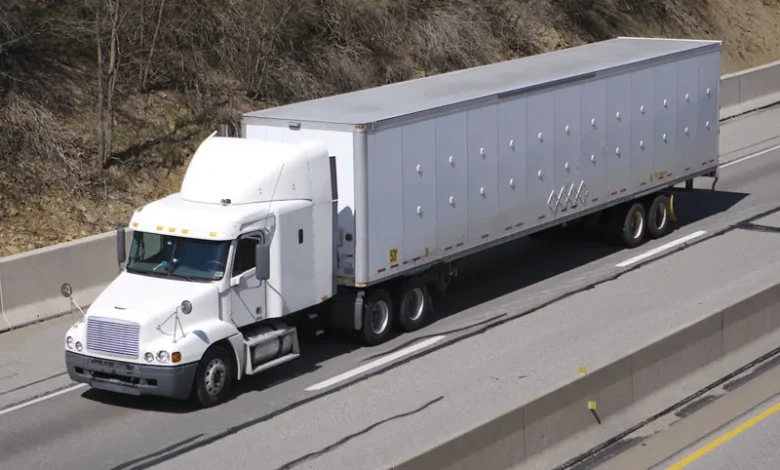
Our car was always a wreck from Ray’s landscaping job. While cleaning one morning, Emma mentioned “Dad’s shiny truck with the lady.” My heart sank.
I started watching Ray. Sometimes he wasn’t at work. I saw him with a woman—curly-haired, laughing, handing him keys. Emma later said the woman bought her ice cream and told her not to tell me. That broke me.
I checked Ray’s phone: texts with “Lydia.” Innocent at first, then more personal—“You make long days bearable.” I was convinced he was cheating.
But when I followed Lydia, I discovered she was a realtor. Their meetings were about land. When I finally confronted Ray, he admitted he’d been keeping it secret—he wanted to surprise me with property for us and my mom.
It wasn’t betrayal, but poor judgment. We rebuilt trust, and months later stood on that land together, stronger for what we’d learned: secrets breed suspicion, even when born of love.