Every Sunday, my mother-in-law Carol criticized what my children ate. She called our cookies, lasagna, and snacks “garbage” and would even throw food away.
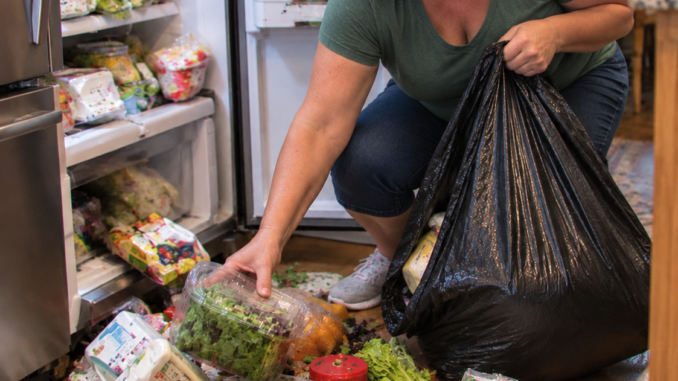
Then my 12-year-old daughter accidentally found a container hidden in the refrigerator.
Inside were my homemade cookies, lasagna, a dinner roll, and chocolate—food Carol had supposedly thrown away.
When my husband Nick confronted her, the truth came out. Carol had struggled with food and dieting since Nick was a child. She had once controlled what he ate, made him weigh himself, and taught him to see food as either “good” or “bad.”
Now, without realizing it, she was doing the same thing to her grandchildren.
Nick finally told her, “You made hunger feel like proof I’d done something wrong.”
Carol broke down and admitted she wanted the food but felt ashamed for wanting it.
I made one thing clear: my children would not grow up feeling guilty about eating. Carol apologized, started therapy, and slowly began changing her relationship with food.
Months later, she could enjoy cookies, ice cream, and even my lasagna without hiding them.
The biggest lesson? Understanding why someone hurts others doesn’t erase the need for boundaries. But sometimes, breaking a painful family cycle starts with one honest conversation.

Leave a Reply